





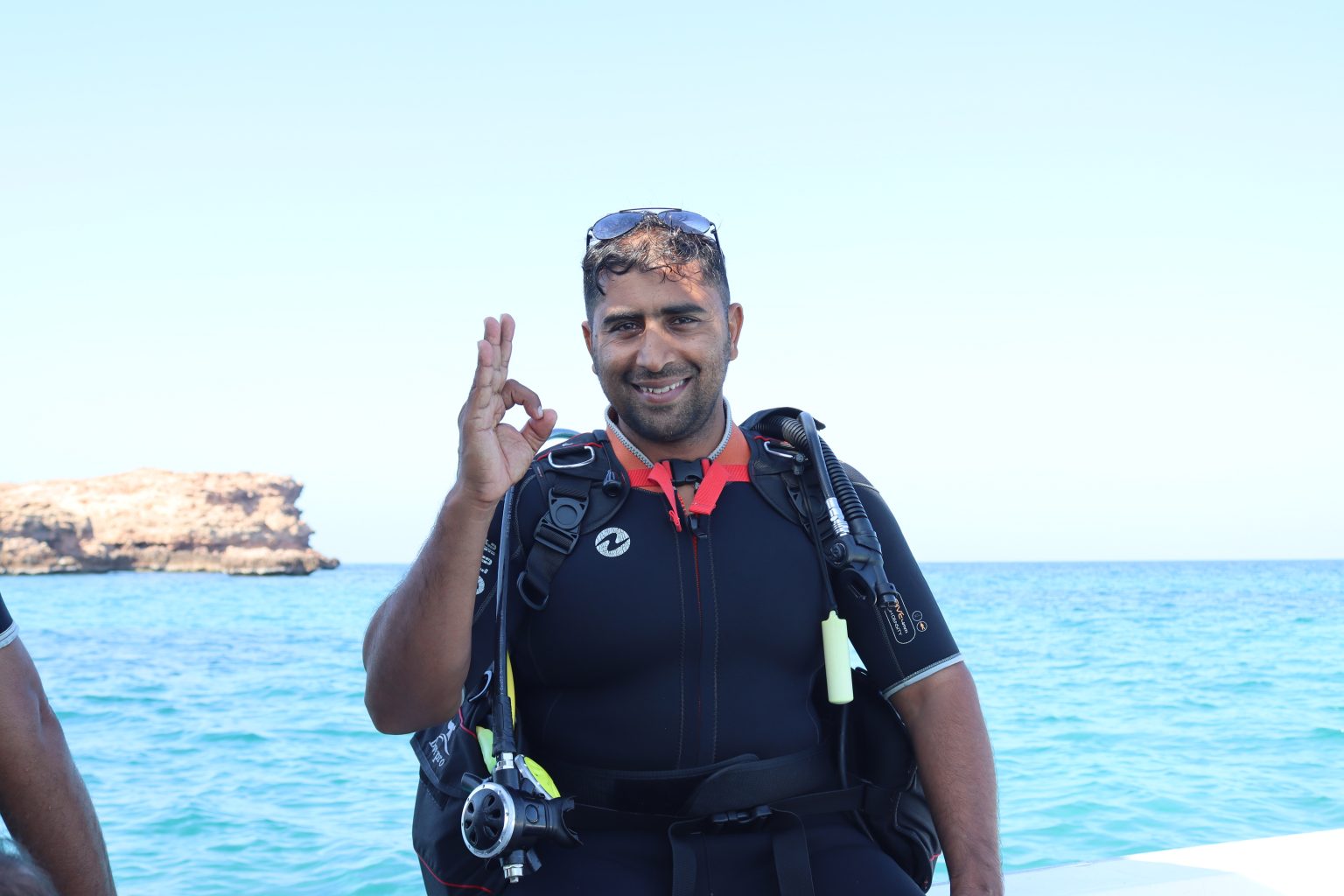

Muscat, Oman – The Dimaniyat Islands Nature Reserve retains its popularity among marine adventure seekers and attracts thousands of people interested in diving and snorkelling annually, providing one of the best snorkeling spots in the Middle East. This marine reserve consists of nine islands located 18 kilometers off the coast of Muscat. They are famous for their clear turquoise waters, rich coral reefs and diverse marine life.
Being the most valuable reserve in Oman, the Dimaniyat Islands offer snorkellers a chance to see green and hawksbill sea turtles, reef fishes, rays and a healthy corals. During certain periods of the year, it is also possible to see whale sharks making every excursion memorable and special for the visitors. Protected area of Dimaniyat Islands helped to preserve the pristine ecosystem of the islands for future generations.
With water visibility sometimes up to 20-25 meters, the islands are suitable for snorkelling beginners and professionals. Professional operators provide guided trips, safety instructions, snorkelling equipment, and proper practices to protect marine ecosystem of the Snorkeling in Oman island during visits.
Environment Authority of Oman has established conservation regulation for the reserve, which includes the controlled entrance to the reserve and prohibition of corals collection and interference in the marine animals’ lives. Such conservation efforts were very important for preservation of the reserve’s ecosystem.
Apart from amazing snorkeling and diving, a visit to the Dimaniyat Islands provides beautiful views of the limestone cliffs of the islands, the pristine beaches, and clear water of the Gulf of Oman.
As a part of sustainable tourism development in Oman, Dimaniyat Islands is a perfect example of how the preservation of the environment and adventures can be combined. If you want to see a wonderful marine escape, visiting the Dimaniyat Islands is a must for every tourist coming to Oman.




The Environment Authority of Oman has implemented strict conservation regulations for the reserve, including controlled visitor access and the prohibition of collecting corals or disturbing marine wildlife. These measures have played a significant role in maintaining the islands as one of the Arabian Peninsula’s most remarkable marine sanctuaries.