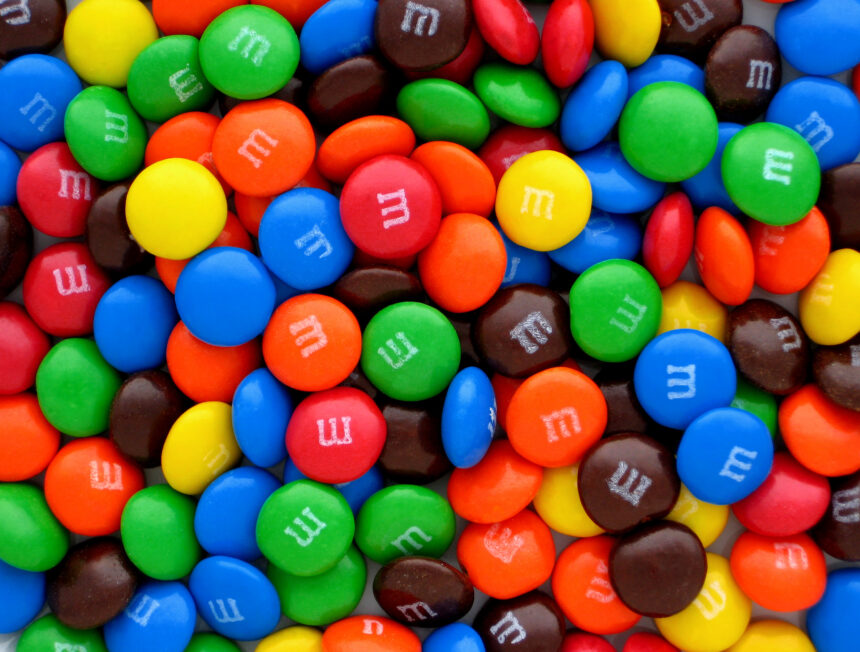




This article unsettles the comfortable assumption that food is simply nourishment. Instead, it paints ultra-processed foods (UPFs) not only as a health problem, but as an environmental tiger lurking under the supermarket shelf. The striking detail, that a packet of M&Ms contains ingredients sourced from more than 30 countries, including petroleum-derived components for dyeing and additives, becomes a lens on the complexity of global supply chains, industrial agriculture, and corporate opacity.
What is especially compelling is the depth of the invisibility: the “black box” of emissions tied to UPFs, the chemical processing, the hidden transport costs, the packaging and the deforestation entangled with raw-material production. These are not marginal externalities but woven into the fabric of how we eat, what we buy and what we assume about food. Carignan reminds us that reducing sugar or salt is not enough – systemic transformation is required.
In reading this piece, we see how something as personal as a snack becomes entangled with planetary health and global justice. It challenges readers to reconsider convenience, to trace the invisible cost of a product priced at under $2. It also underlines the moral urgency of food systems reform: if the industry avoids accounting for its environmental burden, then the burden falls on communities, the planet, the future. In short, this is not a simple diet story, it is a climate, equity and structure story.